
Dust Control During Floor Sanding: What to Expect in NJ and NYC
Posted November 14, 2026

How Go Green Wood Floors keeps sanding dust under control, from sealing off rooms to dust extraction and cleaning before the finish goes on.
Planning a project? Call 908-232-6600 or book a virtual consultation.
Sanding is the step that makes an old floor look new again, and it is also the step that makes dust. Go Green's FAQ is direct about it: yes, the process is a bit messy. Any sanding job removes the old finish and a thin layer of wood from the whole floor, and that material has to go somewhere.
The good news is that most of that dust can be controlled. Here is how Go Green Wood Floors handles dust on sanding and refinishing jobs in New Jersey and New York City, using what our FAQ and service pages say, and what you can do to prepare.
Why Sanding Makes Dust

To refinish a floor, the old finish and a thin layer of wood are sanded away so the new finish goes onto clean, bare wood. Go Green's site describes its German planetary sanders as designed to remove only the necessary amount of material, which protects the floor and also limits how much wood is turned into dust. Even so, sanding a whole room produces a lot of fine particles. Go Green's town pages say plainly that refinishing is an extremely large undertaking that involves dust, and that no project can be 100 percent dust-free when sanding wood floors. Knowing that up front makes it easier to plan.
Sealing Off the Work Area
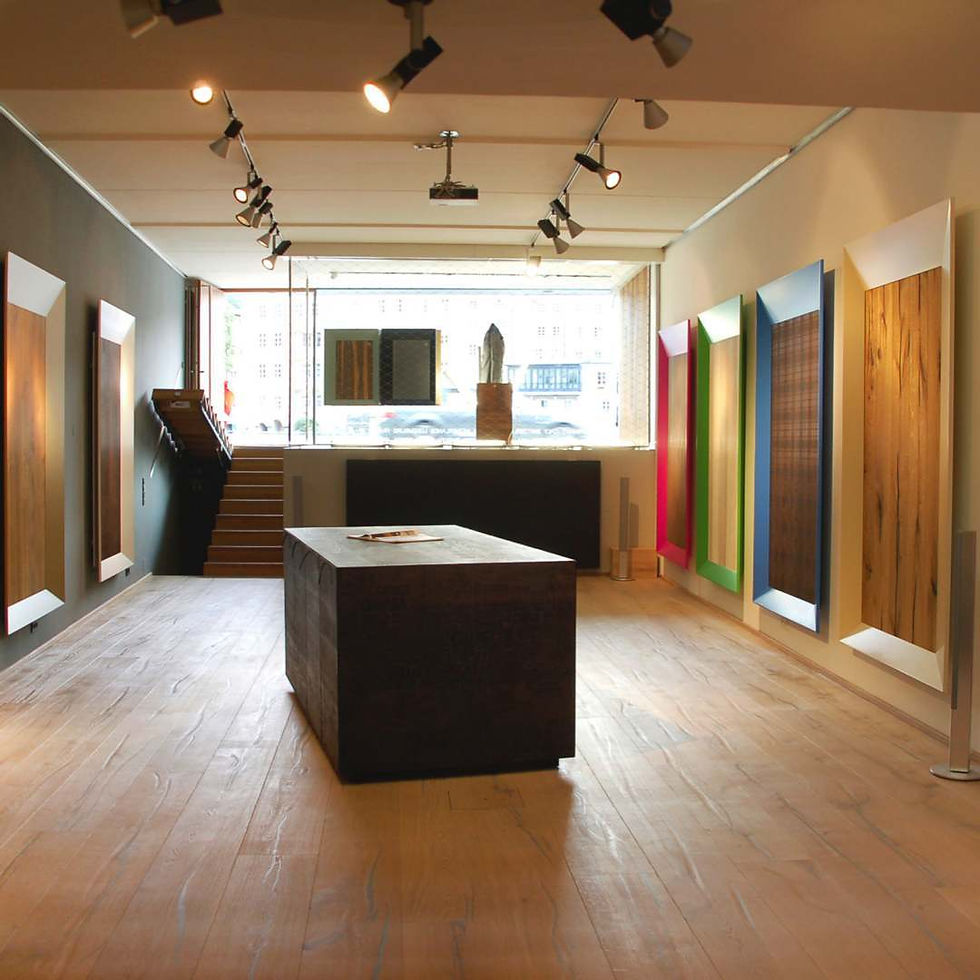
Before sanding starts, Go Green seals the entrances to other parts of the home with delicate surface tapes and 3M protective plastics, and the FAQ notes that plastic goes up over all areas not being worked on. This keeps most of the dust inside the rooms being sanded. Furniture and wall art need to be removed from the work areas first. Some homeowners move furniture themselves, while others hire a moving company, and many store it in other rooms, a basement or a garage. Go Green's FAQ also notes that a job can sometimes be split into two phases to make room.
Dust Extraction

On a standard job, sanding dust goes into a vacuum bag on the machine. Go Green also offers a dust extraction option, where a vacuum suction tube sends the dust straight outside into a dust containment system. According to the FAQ, while no process is 100 percent dustless, dust extraction takes care of 90 to 95 percent of the dust. The town pages describe the same idea: a dustless system eliminates the majority of the dust created, but it does not eliminate dust completely. If dust is a particular concern in your home, ask about dust extraction during your virtual consultation.
Want help with your own floor? Book a virtual consultation with a Go Green wood floor specialist.
Cleaning Before the Finish Goes On

Dust matters for the finish too, not just for the rest of the house, because dust left on the floor can end up trapped in the finish. That is why, after sanding, Go Green blows down the walls and work area and vacuums thoroughly before any product is applied. The crew also vacuums between each coat. This step is part of what gives a clean, smooth result, whether the floor is finished with a zero-VOC oil such as the Single Coat System or a water-based finish such as Vermeister ZERO VOC. Our guide to zero-VOC finishing systems explains the options.
Staying Home or Moving Out

Go Green's town pages say refinishing is usually done while the house is vacant, and they highly recommend vacating. Because Go Green uses low and zero VOC products, refinishing only part of a house while you stay in the rest is possible. If you stay, keep doors to the work area closed, keep children and pets away from the sealed rooms, and plan for some dust to reach other spaces, since no process is completely dust-free. In New York City apartments, Go Green also works with building management before the job starts, so the building knows what to expect.
After the Job

Once the final coat is applied and cured, Go Green walks through the entire project with you and gives you a care and maintenance plan. This is a good time to raise any questions about the work. You can usually walk on the floor about 24 hours after the job is complete, wait two days before pets walk on it, and wait 2 weeks before putting area rugs back. Regular care, such as entry mats and felt pads under furniture, helps keep grit off the new finish. Our sanding and refinishing guide covers the full process from start to finish.
Have a question about your project? Call 908-232-6600 or book a virtual consultation.
Quick Answers
Is floor sanding dusty?
Yes, the process is a bit messy, and no sanding project is 100 percent dust-free.
How much dust does dust extraction remove?
Go Green's FAQ says dust extraction takes care of 90 to 95 percent of the dust.
How does Go Green keep dust out of other rooms?
Entrances are sealed with surface tapes and protective plastic, and plastic goes up over areas not being worked on.
Should we stay home during sanding?
Vacating is highly recommended. With low and zero VOC products, refinishing part of a house is possible.
Plan Your Floor
Planning a refinishing project? Call 908-232-6600, email joe@hugginsflooring.com or book a virtual consultation. See our sanding and finishing packages, eco-friendly finishes and FAQ.
About The Author
Joe Avila has worked in wood flooring for 26 years. He is NWFA certified (CSI, CI, CWFI, CFS) and teaches NWFA continuing-education courses for architects, designers and flooring professionals. Go Green Wood Floors, a Huggins Wood Floor Specialist brand.


Comments